


Dairy Farming Done Sustainably: Highlighting Innovations and Efficiencies for National Dairy Month
Sustainability in agriculture isn’t a single practice or a fixed goal. It’s a moving target shaped by science, economics, and the realities of producing food at scale. Dairy farming sits squarely in the middle of that conversation.

Across the Midwest, organizations like Midwest Dairy work with farmers to better connect those realities to the public. Representing producers across a 10-state region, their focus is not just on promoting dairy, but on helping people understand how farming practices are evolving and where challenges still exist.
Here in Oklahoma, where about 60 dairy farms contribute to local agriculture, that evolution is happening in real time.
For many dairy farmers, sustainability begins with longevity.
Most farms are still family-owned operations, often passed down through multiple generations. Decisions made today are closely tied to whether the land, animals, and business can continue into the future.
“For 163 years our family has been committed to agriculture with a long-term vision, producing wholesome dairy products through responsible stewardship, sustainability, and innovation,” says Logan Courtney, a sixth-generation farmer in Chouteau, Oklahoma. “Caring for the land, our animals, and our community today ensures a stronger tomorrow for generations to come.”
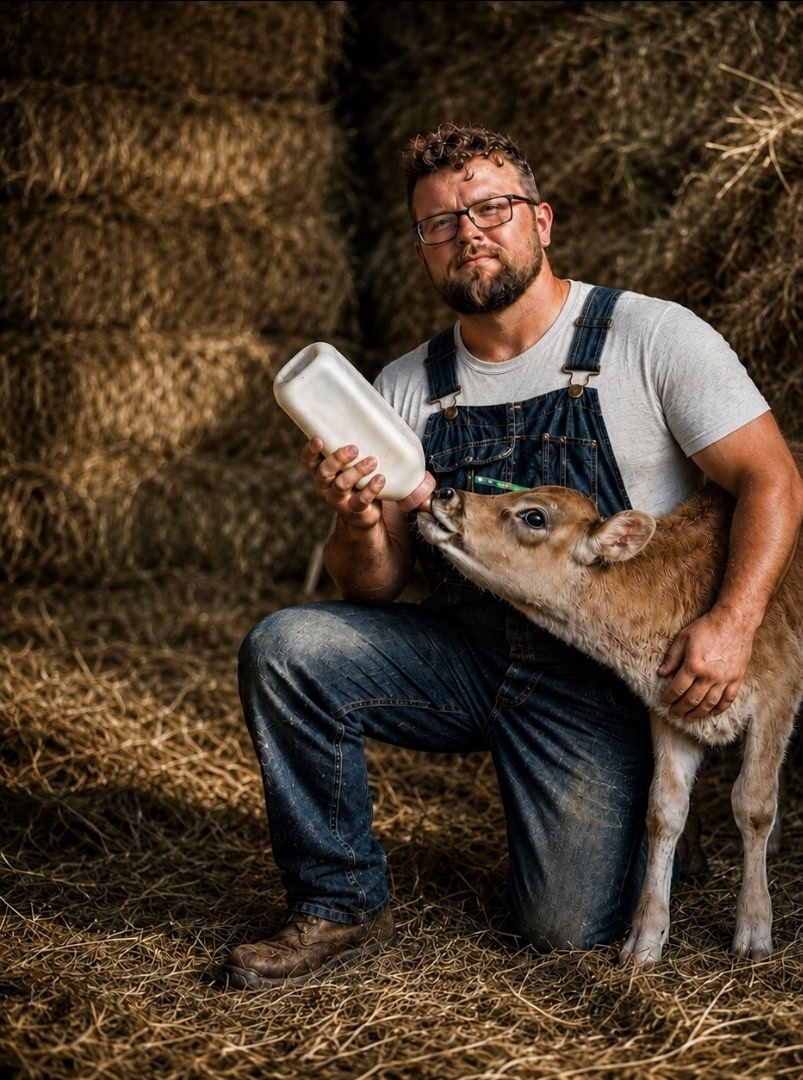
That perspective shapes how farmers approach everything from resource use to investment in new technology.
Modern dairy farming has become significantly more efficient over time. Advances in genetics, nutrition, and farm management mean cows produce more milk than they did decades ago. Producing more with fewer inputs (like land, water, and feed) has become one of the clearest ways the industry reduces its overall environmental footprint.
This kind of efficiency doesn’t eliminate impact, but it does shift how it’s measured.
Many farmers and industry groups now frame sustainability in terms of producing more food using fewer resources per gallon of milk, something that resonates with sustainability-minded practices across sectors.
A closer look at daily operations shows how that idea plays out.
Water use in agriculture remains an ongoing area of concern in many regions, but conservation measures are part of most successful operations. For example, water is often reused multiple times throughout a dairy system. It may cool fresh milk, clean equipment, and eventually irrigate crops. Each use stretches a limited resource further.
Circular thinking is gaining traction in these systems too, showing how closely linked sustainability and efficiency can be.
Manure reuse is one of the ways dairy farms are embracing closed systems. Rather than being treated as waste, it is commonly applied as fertilizer, returning nutrients to the soil. Some farms are even experimenting with technologies that capture methane from manure and convert it into energy, though adoption varies depending on cost and scale.
Dairy cows also contribute to reducing food waste in ways that aren’t always visible to us as consumers. Much of their thoughtfully crafted diet includes byproducts from other food processes, such as leftover materials such as distilled grains, almond hulls, corn husks, cotton seeds, which would otherwise be discarded. This type of upcycling links dairy production to a broader, more circular food system.
While Dairy cows aren’t always seen out at pasture like you may see with cattle ranching, land still plays a vital role in farm management; maintaining productive land is central to keeping a dairy farm operating. Practices like crop rotation, reduced tillage, and the use of cover crops help protect soil health and reduce erosion over time. These approaches can also support water quality and improve resilience during periods of drought or heavy rainfall.
Animal care is another area where sustainability and productivity intersect. Healthier cows produce milk more efficiently, which reduces resource use per unit of production.
Farmers are increasingly using tools like activity monitors, health trackers, and automated milking systems to keep closer watch on their herds. Cow comfort is also prioritized in animal care routines, ranging from barn additions like back scratchers and misters to providing pedicures, keeping cows cool and hoof health optimal.
Technologies like these can help identify health issues earlier and improve overall herd management.

They also play a role in addressing common questions from consumers. For example, milk safety protocols ensure that any milk from cows treated with antibiotics is withheld and tested before entering the supply chain.
The dairy industry continues to face pressure to reduce greenhouse gas emissions, improve water use, and respond to changing consumer expectations. Industry-wide goals, research efforts, and new tools are part of that response, but progress relies on regional support and strong relationships between consumers and producers.

What is consistent is the direction: more attention to efficiency, greater use of data and technology, and a growing emphasis on measurable outcomes.
Dairy farms play a small but important role in Oklahoma’s food system and rural economy. They produce a widely consumed product while operating within a broader landscape of environmental and economic constraints.
There’s a lot to learn for National Dairy Month!
Understanding how dairy farms function, what has changed, and what is still evolving, can lead to a more informed conversation about sustainability in agriculture.
For those interested in learning more about dairy farming practices and sustainability efforts, you can explore:


Comments